Liberty slams Met on facial recognition
Call for law and ‘robust safeguards’ before police expand tech in capital
Friday, 26th June — By Tom Foot
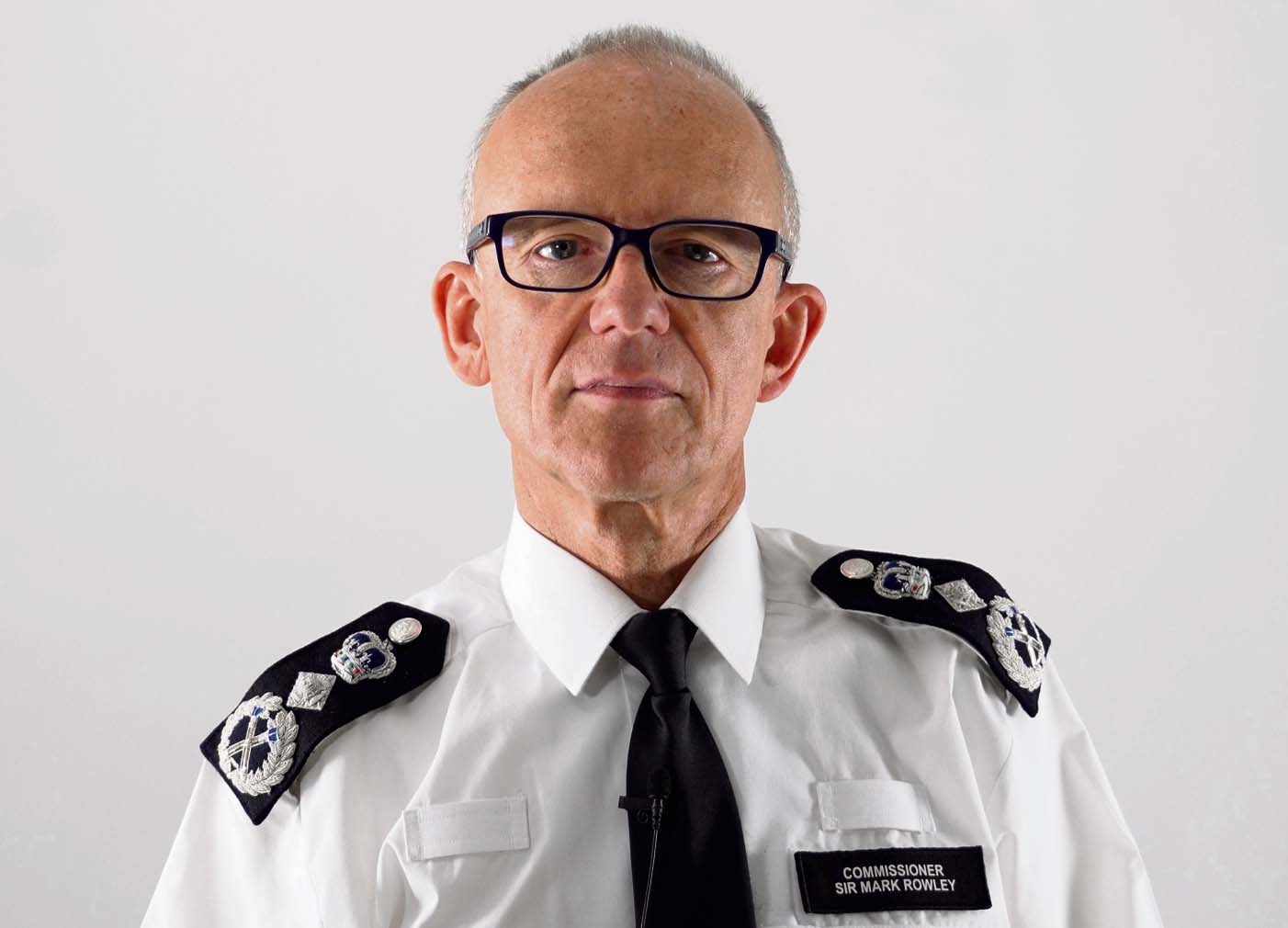
Police commissioner Sir Mark Rowley [MPS]
A MASSIVE expansion of facial recognition cameras in the West End has been branded “very troubling” by human rights experts.
Police announced this week that dozens of static cameras – attached to street furniture and monitored remotely – will be deployed in central London by the end of the year.
Metropolitan Police Commissioner Sir Mark Rowley has said the cameras, which will scan hundreds of thousands of faces in public each day, will be “one of the most revolutionary technological advances in policing”.
But Akiko Hart, director at Liberty, said: “The news that the Metropolitan Police are planning to roll out live facial recognition cameras at pace across London is very troubling and represents a major escalation in the use of this technology.
“Robust safeguards, oversight, and transparency on the use of facial recognition cameras should have been in place before they were ever introduced to our city centres and high streets.
“To reach the level of fixed cameras across the capital before we even have a law in place is deeply concerning. The government has committed to a dedicated legal framework for facial recognition technology.

Liberty boss Professor Akiko Hart [@libertyhq]
“It is vital that this includes clear and consistent rules around how the police use facial recognition to ensure the rights of the public are protected at all times.
“Until this in place, the Metropolitan Police should pause their use of the technology, not expand it.”
During a pilot of the technology in Croydon, the Metropolitan Police Service said more than 470,000 people walked past the cameras, generating just one “false alert” for which the person was spoken to by officers and then allowed to leave.
Since the start of 2024 there have been more than 2,000 people using live facial recognition cameras.
Announcing the expansion of their use, the commissioner said: “Public confidence in this is clear, around 80 per cent of Londoners support its use. That backing reflects a simple truth, it works.
“We have already seen the impact in Croydon, where a six-month pilot delivered over 170 arrests, a reduction in crime and a significant fall in violence against women and girls. All these results, with only one false alert among hundreds of thousands of people.
“The technology supports officers to target wanted criminals and registered sex offenders.
“Crucially it is supporting officers, not replacing them. Now we’re taking that capability further.”
