Harrington: True human cost of ‘scapegoating’
Filmmakers working on new documentary that probes appeal system
Friday, 3rd July
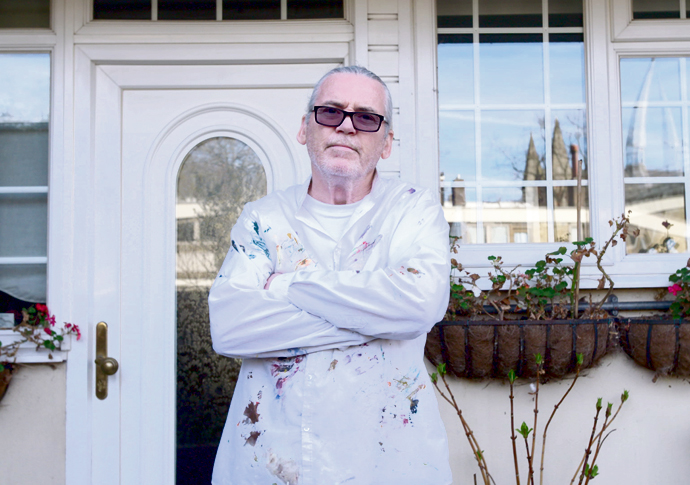
Patrick Maguire
GETTING locked up for a serious crime you didn’t commit surely ranks among the worst of all nightmares.
Particularly if the chances of overturning a wrongful conviction in this country are slim to nothing.
The extraordinary miscarriage of justice case of Andrew Malkinson, “freed” after serving 17 years for a rape DNA evidence later proved could not have been him, has brought the failings of the Criminal Cases Review Commission into sharp focus.
Closer to home, there was the case of Hoxton’s Sam Hallam, who spent almost eight years in prison for a murder in Islington. That was sensationally quashed on appeal in 2012, but only after a long and high-profile campaign.
There has in recent years been a spate of cases that are ramping up real pressure on the government to make meaningful reforms. It’s a hard campaign to get the general public behind.
But these cases have shown that wrongful conviction can happen to anyone who happens to be in the wrong place at the wrong time.
I hear filmmakers are working on a documentary that is aiming to reveal the human cost behind the headlines, urging the public to voice outrage at an appeal system that is heavily weighted in favour of the prosecution.
Director Hannah Currie told me: “We want to build a massive impact campaign about this film. I want people to watch it and feel passionately about a change in the system. And we have high hopes.
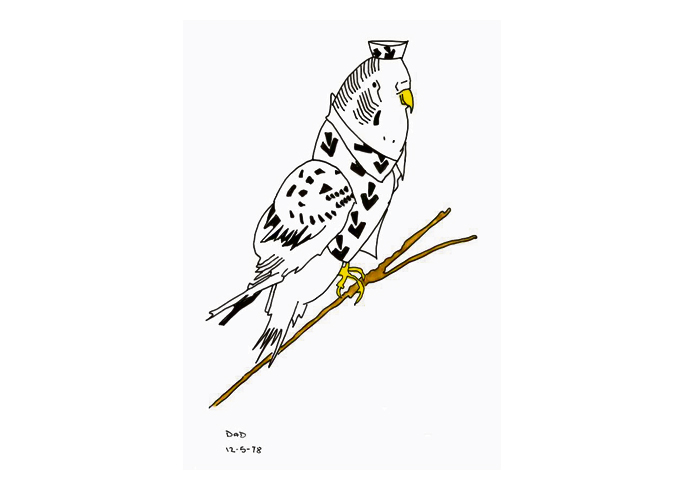
Mr Maguire’s jailbird that he drew for his dad while in prison
“Off the back of these high-profile cases, we have seen how the CCRC [Criminal Cases Review Commission], and the SCCRC in Scotland, are not fit for purpose. The likes of Patrick Maguire and Paddy Hill would not have been exonerated under the system that exists today.
“There is a 98 per cent failure rate of applications. And of the 2 per cent the commission actually refers for appeal, just 0.02 per cent are successful.”
The argument in support of these figures is that the justice system is working just fine.
But with cuts to legal aid and the courts in meltdown, campaign groups like the Miscarriage of Justice Organisation (MOJO) say there are systemic issues that need to be urgently addressed.
The widely publicised Malkinson case was for several years repeatedly knocked back by the CCRC, despite crucial new evidence.
It is often argued that appeal cases should not be routinely granted as this can be traumatic for surviving victims and their loved ones, who are made to go through the whole gruelling process once again.
Ms Currie, 37, said: “When there has been a miscarriage of justice the true perpetrator walks free, and often continues to hurt other people. It is uncomfortable.”
But referring to the wrongfully convicted, she says: “We are talking about the most disenfranchised people in society. It’s not right. These people are being scapegoated. We cannot turn away from that just because of inconvenience.”
Ms Currie said she was not interested in making the kind of “true crime” documentaries that have become vastly popular in recent years.
“I am interested in the experience of being the miscarriage of justice. That specific sliding doors moment when you are wrongfully convicted, and you must be thinking ‘I should have lived this life – got married, a job, kids, wedding, families’ or whatever.

Director Hannah Currie [David Anderson]
“But instead you are having something very different. We will have to show why these people are victims but I am not interested in highlighting the graphic detail of the crimes.”
Ms Currie moved to London from Scotland before working in commercial TV as a producer. But she got out to pursue something more rewarding and after her film Jailed: Women in Prison from inside HMP Grampian won awards, she is now embarking on her first feature-length project, Innocent: Trial and Error.
It is being made with access to MOJO campaign files and is being supported by Patrick Maguire, one of the Maguire 7, who was wrongfully convicted of being involved in the manufacture of IRA bombs 50 years ago in 1976.
He was just 14 years old when he was sentenced to an adult prison in one of the most shameful miscarriages of justice in British history. While in prison he drew an image of a jailbird for his dad, and limited-edition prints of the drawing – as well as tees, totes, mugs – are being offered in reward for donations to the documentary fundraiser.
Now an accomplished artist, Mr Maguire, who lives in Maida Vale, has offered an original artwork for any significant donations. He said: “There’s a lot of damage but I don’t dwell on it too much. But I was a child when it happened – goes without saying it did have a big impact on me.
“My life turned black and white when we were arrested. In getting our names cleared, which we did eventually, I got back to art. I’m sharing and lending it to this cause because there are a number of people in prisons for crimes they haven’t done.
“I do hope one day that when people see this film, they will be shocked and stunned and cry and also laugh. For my children and grandchildren, these things need to be put right.”
The doc, produced by Sandra Leeming and backed by Dartmouth Films, has raised £17k of a £20k target to make a “proof of concept” that will help get it off the ground.
Visit www.crowdfunder.co.uk/p/innocent-1 to donate
