Charlie's angels: the charismatic women left in Dickens' shadow
The women who inspired Charles Dickens are the subject of an exhibition at the Dickens Museum. Jane Clinton went along...
Friday, 20th March — By Jane Clinton
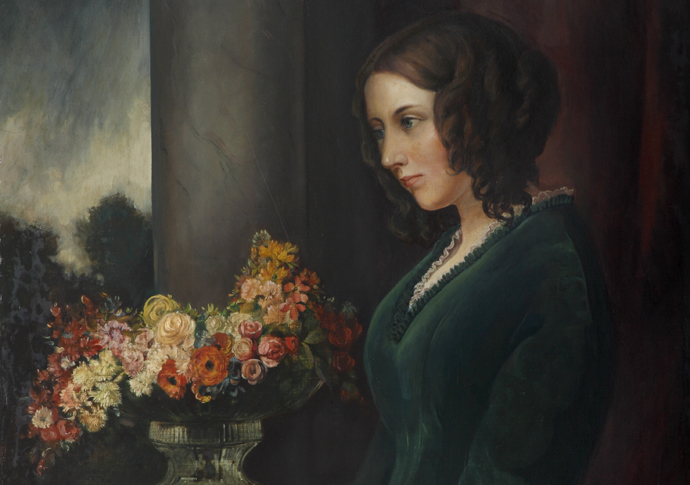
Portrait of Catherine Dickens by Daniel Maclise, 1847, detail
MARY Hogarth had just returned from an evening at the theatre when she suddenly fell ill. Her decline was rapid, and she died in the arms of her brother-in-law, Charles Dickens, at their home, 48 Doughty Street.
She was just 17, and her untimely death in 1837 devastated the writer. Mired in grief, he sought solace in his writing and is said to have modelled the kind Rose Maylie in Oliver Twist and the saintly Little Nell in The Old Curiosity Shop on her.
Hogarth’s tragic demise features in the exhibition, Extra/Ordinary Women at the Charles Dickens Museum, which tells the stories of some of the women in Dickens’ life.
We learn of their achievements, their relations with the writer, and some of the literary characters they inspired. We also see the often complicated relationships he had with them.
There is his mother, Elizabeth, a resourceful, witty woman, Dickens struggled to forgive for sending him to the blacking factory to help pay the family debts.
It is thought she was, perhaps unfairly, the inspiration for the dysfunctional homemaker Mrs Micawber in David Copperfield. But arguably, it was Elizabeth who set Dickens on his career path when she secured his first writing job with her brother, who ran a newspaper.
Another central figure in Dickens’ life for many years was Angela Burdett-Coutts. A philanthropist, heir to the Coutts Bank fortune and at the time the richest woman in England, she collaborated with Dickens in 1847 to set up Urania Cottage.
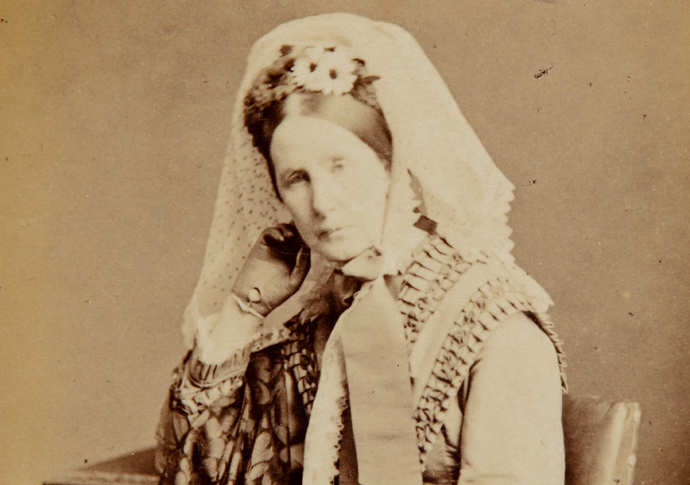
Angela Burdett-Coutts
Located in Shepherd’s Bush, it was a shelter for homeless and so-called “fallen women” offering shelter and the chance of a new life abroad for those emerging from prisons or workhouses.
Burdett-Coutts has been linked to the shy character Agnes Wickfield in David Copperfield.
But the women of Urania Cottage also informed some of Dickens’ depictions of women in his novels. Take, for example, the volatile Tattycoram in Little Dorrit. The inspiration for her is thought to have been the spirited resident of Urania Cottage, Rhena Pollard. She was 16 when she moved there, having served time in both a workhouse and a prison.
Described as having a sharp tongue and a quick temper, she would eventually be one of Urania Cottage’s success stories, emigrating to Canada, getting married and having seven children.
But Dickens’s links with Urania Cottage and Burdett-Coutts would cease after the breakdown of his 22-year marriage to Catherine in 1858, the fallout from which was ugly. Catherine was forced out of the family home with only one of her 10 children, Charles Jr, coming with her.
Dickens’ rewriting of this, his portrayal of his marriage to Catherine and his public criticism of her as an unfit mother appalled and alienated many in their circle.
Catherine was an intelligent and well-loved woman among the family’s friends, many of whom remained fiercely loyal to her after the separation, among them Burdett-Coutts.
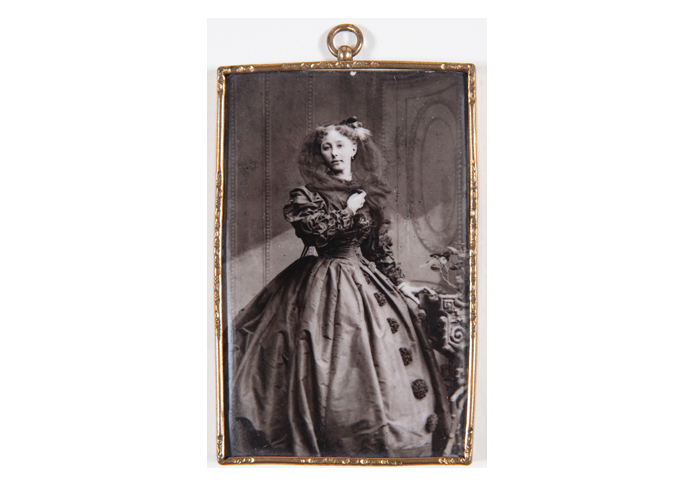
Katey Perugini (nee Dickens)
Amid this marital scandal, a spotlight is also shone on the couple’s children in this exhibition, in particular one of their daughters, Kate “Katey” Perugini. A gifted artist and a celebrity in her time (but now largely forgotten in art history), she initially sided with her mother after the breakdown of her parents’ marriage and her father’s involvement with the much younger actress Ellen Ternan. (A newly acquired “fan” letter written by Dickens in 1863 to a French singer he admired, Pauline Viardot, is on display for the first time.
As well as his gushing tribute to Viardot, he also alludes to a secret trip to Geneva to meet Ternan).
Perugini, who can be seen in a portrait with her sister Mamie, on display for the first time, described her father as “acting like a madman” regarding the impact his actions had on the family, although their relationship improved.
In his professional life, Dickens championed women writers, choosing the novelist Elizabeth Gaskell to be the first writer other than himself to be published in his magazine, Household Words, although contributions to his magazine remained anonymous for both male and female writers.
Kirsty Parsons, curator at the Charles Dickens Museum, says this exhibition “reveals new sides to people who are often only mentioned in passing or seen through the prism of Dickens’s own views.
“It turns the spotlight towards a whole host of charismatic women who usually remain in the shadow of Charles Dickens.”
• Extra/Ordinary Women is at the Charles Dickens Museum, 48 Doughty Street, WC1N 2LX until September 6. To book tickets, visit dickensmuseum.com Opening hours 10am to 5pm Wednesday to Sunday (closed on Mondays and Tuesday).
